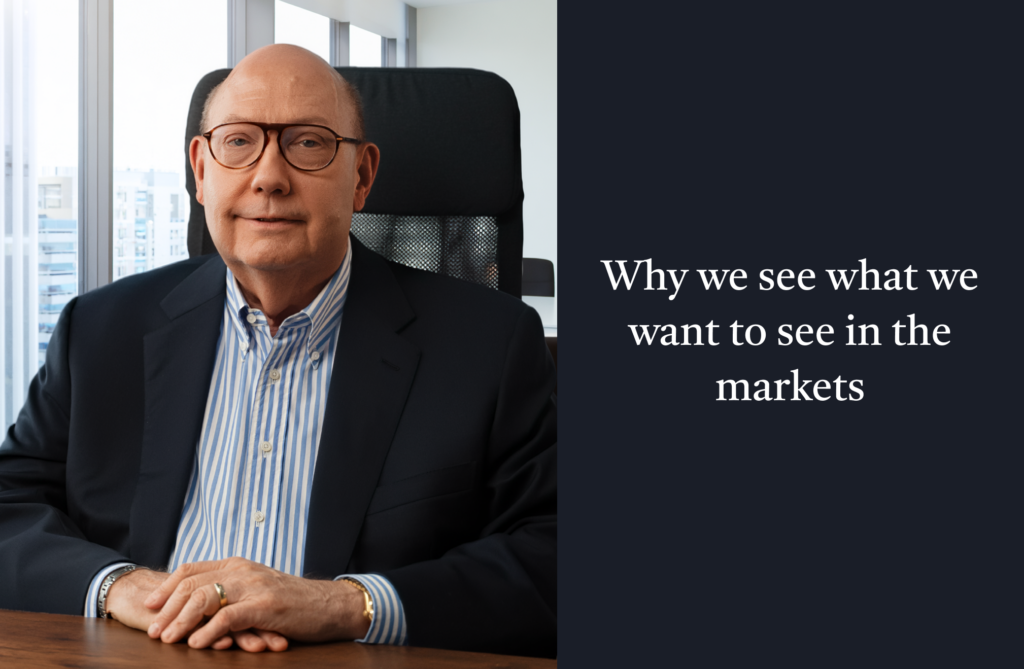
Investing is often depicted as a purely analytical process. We are expected to scrutinize datasets, weigh potential hazards, pinpoint openings and execute a logical choice, which seems foolproof. But the reality of the market is far more emotional than we might like to admit. Finance is an exceptionally dense space, which forces those of us who are interested to constantly follow economic indicators, corporate performance metrics, central bank policies and shifting geopolitical winds. When faced with such levels of intricacy, the human mind instinctively seeks out cognitive abbreviations; what psychologists call, behavioral biases. These mental shortcuts facilitate rapid decision-making, yet they often skew our judgment in ways that can be detrimental. This premise sits at the heart of Daniel Kahneman’s book Thinking, Fast and Slow. In it, Kahneman argues that much of our cognition is driven by automatic, intuitive impulses. We instinctively identify patterns, weave cohesive narratives and reach our own conclusions well before a comprehensive evaluation of the facts has taken place.
While such an instinct serves us well in our everyday routines, when it comes to investing, this kind of fast, reflexive thinking can become a costly liability.
We see what is easiest to see
One of the most common biases in investing stems from placing too much emphasis on highly visible information. Headlines, market commentary and social media dominate our news feeds, creating the impression that the most widely discussed topics are the most important ones. However, visibility and relevance are not necessarily the same. In the world of cryptocurrency, for example, investors often become fixated on short-term price movements while overlooking longer-term developments in infrastructure, adoption and regulation.
The same pattern emerges in real estate and equities. Just because something is popular today does not mean it will be important tomorrow. This bias becomes even stronger once we have formed an opinion. We naturally seek information that confirms our existing views and pay less attention to evidence that challenges them. The result is greater confidence without necessarily greater understanding.
We become anchored to the past
Investors often find it hard to move away from familiar reference points. For example, a stock may have once traded at a certain price, a home may have been worth a certain amount, or interest rates may have been much lower. These reference points then become the lens through which we evaluate future opportunities. The problem is that markets aren’t concerned with these reference points.
They respond to current conditions, not past ones. Yet investors often assume that previous winners will continue to win or that past market conditions will eventually return. This is most evident during major market cycles. People can treat recent trends as permanent. But markets are constantly adapting. Technologies evolve, demographics shift, and economic conditions change. Successful investors understand that yesterday’s reality is not necessarily tomorrow’s.
Clear thinking is a competitive advantage
The difficult thing about cognitive bias is that we are all susceptible to it. While experience can help, it does not eliminate the problem. In some cases, experience can even lead to overconfidence. The goal is not to remove bias entirely; that’s impossible. The goal is to develop a way to minimize its influence. That means questioning your assumptions, seeking out opposing viewpoints, and distinguishing short-term market hype from long-term fundamentals.
Investing will always involve risk and uncertainty, otherwise, if it didn’t, everyone would be a winner. The investors who consistently make the right decisions are not necessarily those with the most information. They are the ones who are best at managing the limitations of their own thinking. Ultimately, investing is not just a test of market knowledge; it’s a test of judgement.
Find more reflections on entrepreneurship, business, AI and other interests of mine on my YouTube and social media channels.